Radon is a naturally occurring radioactive gas that seeps into buildings from the soil. It has no smell, taste, or color, so the only reliable way to know your risk is to test. Because it tends to accumulate on lower levels, basements and ground-floor rooms can show elevated readings even when a home looks perfectly dry and clean.
Long-term exposure to radon is a significant health concern. Professional testing provides clear data on your home's radon levels and guides next steps to keep your indoor air safe.
You are buying or selling a property.
Your home has a basement or ground-level living areas.
You've never tested before or results are outdated.
Nearby homes have shown elevated radon levels.
We review your property details, foundation type, ventilation, and recent renovations to determine the best testing approach.
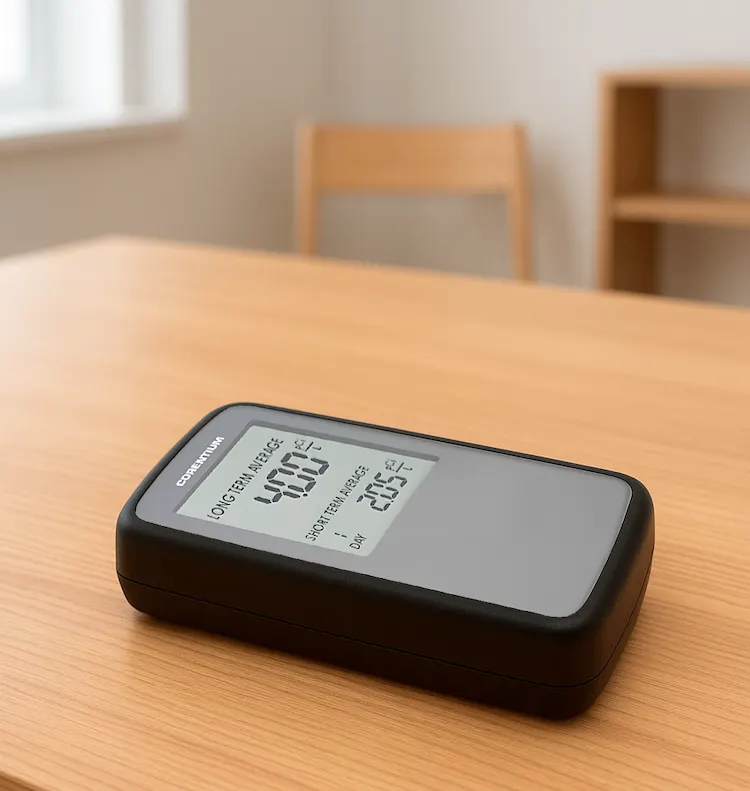
EPA-recognized short-term or long-term detectors are placed in the lowest livable level under proper closed-house conditions.
Devices measure radon for the required duration (short-term: 2-7 days; long-term: 3+ months if needed).
Data is retrieved and analyzed, with a clear report comparing your readings to established safety guidelines.
If levels are elevated, we outline mitigation options such as improved ventilation or sub-slab depressurization and can coordinate follow-up testing.