
Getting a professional mold inspection is a smart step for both health and property protection. Hidden mold growth can contribute to issues like allergies, asthma flare-ups, and other respiratory discomforts. Beyond health concerns, mold weakens building materials over time, which can result in expensive repairs if left untreated.
An inspection helps you identify problems early and address them before they escalate.
Turn off humidifiers, dehumidifiers, and air purifiers 24 hours prior.
These devices remove or alter airborne particles and moisture levels, which can interfere with accurate mold sampling.
Keep doors and windows closed for 24-48 hours.
This allows indoor air conditions to stabilize and helps us obtain reliable spore concentration readings.
Shut down HVAC systems at least 2 hours before the inspection.
Air circulation can dilute or redistribute airborne spores, impacting the accuracy of testing.
Clear access to key areas of the home.
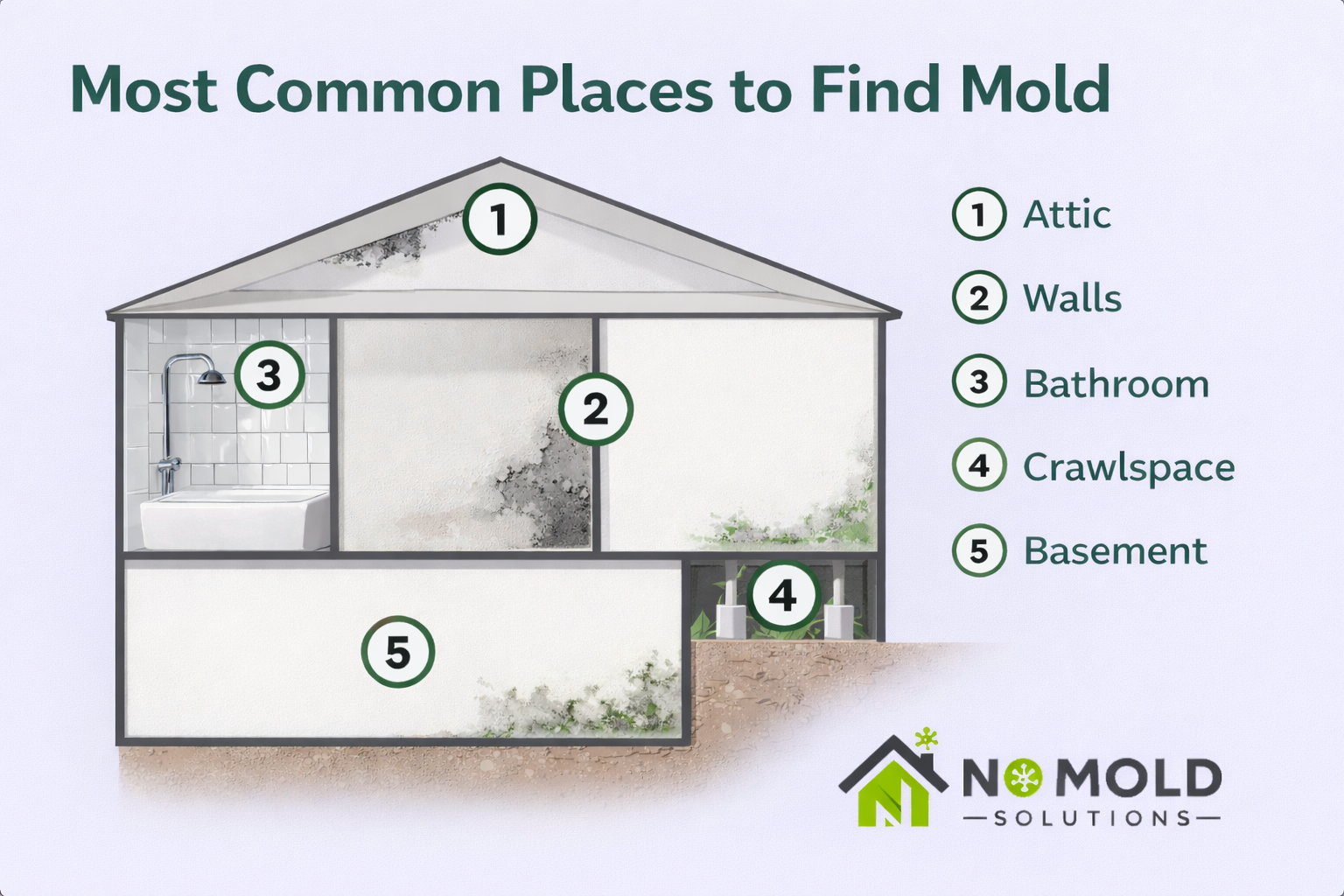
Please provide access to attics, crawlspaces, basements, utility rooms, and under-sink cabinets to ensure a complete inspection.
Choose a dry day when possible.
Rain can temporarily elevate outdoor mold levels and affect baseline comparison testing.
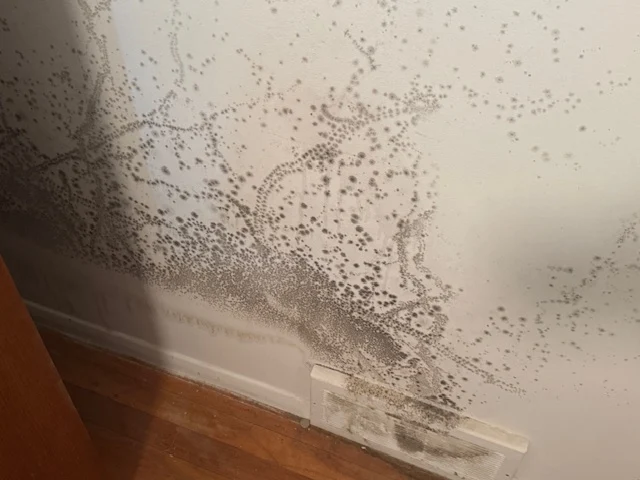
Do not clean, scrub, or apply chemicals to suspected areas.
Bleach and disinfectants can alter surface samples and compromise laboratory results.
Avoid vacuuming or heavy dusting for 48 hours.
Disturbing surfaces may temporarily remove or redistribute mold spores before testing.
Do not shower or create excess indoor humidity beforehand.
Additional moisture can affect readings and make it harder to identify active moisture sources.
Avoid lawn mowing or outdoor disturbance near the home.
Outdoor baseline samples are part of the inspection process, and disturbed soil or vegetation can skew results.