Mycotoxins are toxic chemicals that some molds release. These toxins can be far more harmful than the mold itself, even lingering after the mold has been removed. Testing is essential to detect these invisible threats.
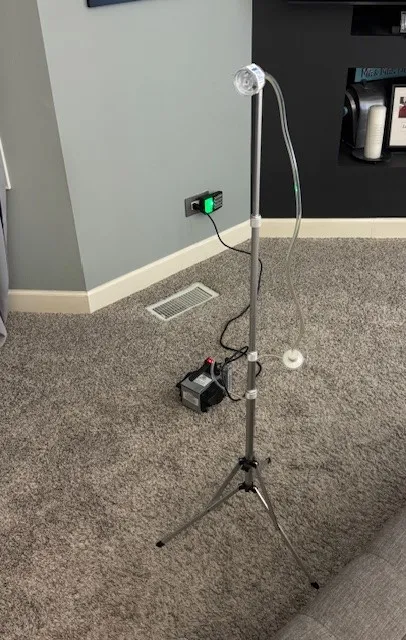
There are two types of mycotoxin tests: Airborne Mycotoxin Testing (AMEA) and Surface Mycotoxin Testing (MESA). AMEA test evaluates the air you breathe for mycotoxins. It's important to perform an AMEA test if occupants are experiencing unexplained health issues like headaches, fatigue, or respiratory symptoms. AMEA test simulates "breathing zone" conditions to accurately assess exposure.
Surface Mycotoxin Testing (MESA) is designed to detect toxin residues on surfaces such as walls, furniture, and HVAC systems. It is ideal for verifying the effectiveness of remediation or assessing contact exposure risk.

If you suspect persistent health symptoms that might be linked to indoor spaces.
After mold remediation, to confirm your environment is truly safe.
If hidden contamination is suspected but not visibly detectable.
For professional or medical validation of exposure risks.
Tests indoor air for chemical toxins produced by mold that can remain attached to tiny airborne particles. This assessment focuses on what occupants may actually breathe, beyond what traditional mold spore tests detect.
Identifies and quantifies mycotoxins on walls, furniture, HVAC components, and other interior surfaces. This helps reveal contamination that may linger on materials even after visible mold is gone and supports targeted cleanup decisions.
Reports provide clear, lab-grade results showing which mycotoxins were found and at what levels, helping professionals or homeowners understand exposure risks and guide next steps.
Useful after remediation to confirm whether mycotoxin residues have been effectively reduced, offering confidence beyond visual inspection or biological mold tests.