1. Understand What Causes Mold Growth
To effectively prevent mold, you must first understand why it forms. Mold spores exist naturally in the air and on surfaces. They only become a problem when they find the right conditions to multiply.
The Three Essentials for Mold Growth:
- Moisture: Leaks, condensation, humidity, or flooding create a wet environment ideal for mold.
- Food Source: Mold feeds on organic materials like wood, paper, drywall, fabric, and even dust.
- Warmth and Darkness: Mold thrives in dark, damp places - basements, attics, and behind walls are common hotspots.
When you eliminate one or more of these elements - especially moisture - you disrupt the mold’s growth cycle.
Control Humidity Levels Indoors
High indoor humidity is one of the leading causes of mold growth. Mold thrives when relative humidity exceeds 60%.
Expert Solutions:
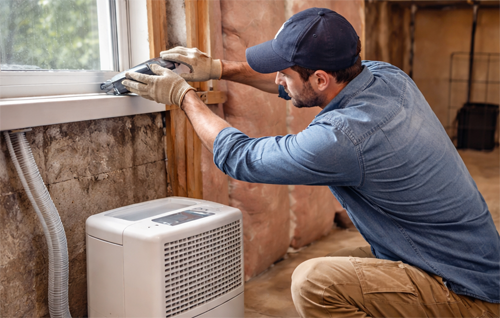
- Use Dehumidifiers: Keep humidity between 30%–50% in all living areas. A portable or whole-house dehumidifier can make a huge difference.
- Ventilate Properly: Run exhaust fans in kitchens, bathrooms, and laundry rooms, especially after cooking or showering.
- Air Conditioners Help: Regular AC use keeps air dry and cool, reducing the risk of mold.
- Monitor Humidity: Invest in a digital hygrometer to track humidity in real time.
Fix Leaks Immediately
Even small leaks can lead to mold colonies within 24–48 hours. Check your plumbing, roofing, and appliances regularly for drips or moisture accumulation.
Focus on These Common Problem Areas:
- Under sinks and around dishwashers or washing machines
- Roof leaks after heavy rainfall
- Basement cracks allowing groundwater seepage
- Windows and doors with broken seals
Pro tip: If you find recurring moisture or soft spots on drywall, don’t just patch over them—contact NoMold Solutions for a professional moisture inspection to detect hidden mold before it spreads.
Improve Home Ventilation
Poor ventilation traps humid air inside, especially in tight modern homes. Proper airflow reduces condensation and prevents mold from taking hold.
Ways to Improve Airflow:
- Open windows on dry, breezy days to replace humid indoor air with fresh outdoor air.
- Install ventilation fans in bathrooms, kitchens, and attics.
- Use ceiling fans to circulate air evenly.
- Move furniture slightly away from walls to prevent trapped moisture and stagnant air.
Remember: Dry air is mold’s enemy.
Clean and Dry Wet Areas Promptly
Mold can begin to grow within 24–48 hours on damp materials. Whenever your home experiences water exposure - whether from a leak, spill, or flood - act fast.
Follow These Steps After Water Exposure:
- Remove standing water immediately using mops, towels, or wet vacuums.
- Dry surfaces thoroughly using fans and dehumidifiers.
- Disinfect affected areas with a mild cleaning solution or mold-prevention spray.
- Discard porous items (like carpets, cardboard, or insulation) that can’t be dried completely.
At NoMold Solutions, our restoration team uses advanced drying technology and moisture meters to ensure your space is completely dry, leaving no chance for mold regrowth.
Use Mold-Resistant Products
If you’re renovating, repairing, or building a new home, consider using materials designed to resist mold.
Recommended Mold-Resistant Materials:
- Mold-resistant drywall (often labeled “green board” or “purple board”)
- Moisture-resistant insulation, such as closed-cell spray foam
- Anti-microbial paints and coatings for bathrooms, kitchens, and basements
These materials are especially valuable in high-humidity areas where moisture control is challenging.
Maintain Your HVAC System
Your heating, ventilation, and air conditioning (HVAC) system can be a hidden source of mold if not properly maintained. Dust and moisture trapped in ducts create ideal breeding grounds.
Prevention Tips:
- Replace air filters every 1–3 months.
- Have ducts and vents professionally cleaned annually.
- Keep drip pans and coils dry and clean.
- Install a UV light system in your HVAC unit to destroy airborne mold spores.
A well-maintained HVAC system not only improves air quality but also helps control moisture throughout your home.
Insulate and Seal Your Home Properly
Poor insulation can cause condensation on walls, ceilings, and windows—prime spots for mold growth. Proper insulation minimizes temperature differences that create damp surfaces.
What You Can Do:
- Add insulation in attics and crawl spaces.
- Seal windows and doors to prevent air leaks.
- Use vapor barriers in basements and crawl spaces.
Proper insulation keeps your home energy-efficient and mold-free year-round.
Keep Gutters and Downspouts Clean
Clogged gutters can overflow, allowing water to seep into walls and basements. Over time, this moisture feeds hidden mold colonies.
Maintenance Tips:
- Clean gutters at least twice a year, especially after fall and spring.
- Ensure downspouts direct water at least 6 feet away from your home’s foundation.
- Inspect for sagging or disconnected sections that may cause leaks.
Keeping water away from your foundation is one of the most effective ways to prevent interior mold problems.
Be Vigilant in High-Risk Areas
Some rooms in your home are naturally more prone to mold because they’re humid, dark, and frequently damp.
Keep an Eye On:
- Bathrooms: Use exhaust fans and wipe down wet surfaces.
- Basements: Run dehumidifiers and check for leaks regularly.
- Kitchens: Clean under sinks and behind refrigerators.
- Attics: Check for roof leaks and ensure proper ventilation.
- Laundry rooms: Dry wet clothes promptly and clean lint traps.
Regularly Inspect and Clean Hidden Areas
Mold often starts in hidden spots where you rarely look. Routine checks can help you catch early signs before they spread.
Inspect:
- Behind wallpaper or paneling
- Around window frames and sills
- Under carpets or mats
- Inside cabinets or closets along exterior walls
If you notice discoloration, musty odors, or condensation, it’s time to call a mold specialist for a professional assessment.
Natural and Preventive Cleaning Tips
Keeping your home clean and dry is one of the simplest mold prevention strategies.
Use These Natural Cleaning Methods:
- White vinegar: Kills many mold species and prevents regrowth. Spray undiluted on at-risk areas weekly.
- Baking soda: Absorbs moisture and deodorizes surfaces.
- Hydrogen peroxide (3%): Effective on tiles and hard surfaces to disinfect and remove mold stains.
Avoid bleach for porous materials - it doesn’t reach mold roots and can cause damage.
The Role of Professional Mold Prevention Services
While homeowners can take many preventive steps, professional inspection and remediation provide the ultimate peace of mind.
At NoMold Solutions, we specialize in:
- Comprehensive mold inspections using infrared and moisture detection tools
- Air quality testing for hidden mold spores
- Preventive treatments to protect surfaces long-term
- Remediation services to safely remove existing mold and restore healthy living conditions
Our certified experts ensure your home stays dry, clean, and mold-free - guaranteed.
Signs You May Already Have Mold
Even with preventive efforts, mold can sometimes go unnoticed. Be alert to these warning signs:
- Persistent musty odor
- Discoloration on walls, ceilings, or baseboards
- Condensation on windows or pipes
- Allergy-like symptoms (sneezing, coughing, headaches) that worsen indoors
If any of these sound familiar, contact NoMold Solutions for a free inspection and moisture assessment before the problem escalates.
Final Thoughts: Prevention Is a Long-Term Investment
Mold prevention isn’t just about cleaning - it’s about creating a healthy, balanced environment where mold can’t thrive. By controlling humidity, repairing leaks, improving ventilation, and using professional solutions, you’ll safeguard your home’s value and your family’s health.
At NoMold Solutions, our mission is to help homeowners live confidently in clean, safe, mold-free homes. Whether you’re preventing a future problem or dealing with existing mold, our expert team is ready to help.