Understanding Mold: A Quick Overview
Mold is a type of fungus that thrives in moist, warm, and poorly ventilated environments. Common indoor molds include Aspergillus, Cladosporium, and Stachybotrys chartarum (black mold). These microorganisms reproduce through spores, which can spread through the air and settle on surfaces — ready to grow when moisture is present.
Common Causes of Mold Growth
- Water leaks from pipes, roofs, or basements
- Flooding or water damage
- High indoor humidity (above 60%)
- Poor ventilation in bathrooms, kitchens, or laundry rooms
- Condensation on windows and walls
Even a small patch of mold can indicate a deeper moisture problem - and that’s where the real danger lies.
DIY Mold Removal: When It Works (and When It Doesn’t)
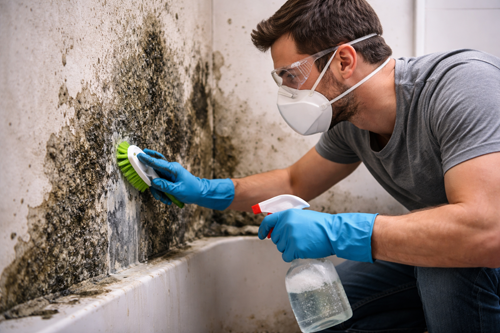
Many homeowners turn to do-it-yourself methods when they first notice mold. Common DIY tools include bleach, vinegar, baking soda, and hydrogen peroxide. While these may seem convenient and cost-effective, DIY mold removal has clear limitations.
When DIY Mold Removal Might Be Safe
DIY mold cleanup is sometimes acceptable if:
- The affected area is less than 10 square feet (about 3 ft × 3 ft)
- The mold is on non-porous materials like glass, tile, or metal
- There are no signs of water damage or structural decay
- You are not allergic or sensitive to mold spores
For small, contained spots - such as light mold growth in a shower corner or window sill - DIY methods can be effective if you follow safety precautions.
Common DIY Cleaning Solutions
- White Vinegar - Kills about 80% of mold species. Spray undiluted vinegar onto the affected area, let sit for an hour, then scrub.
- Hydrogen Peroxide (3%) – Apply and let it bubble for 10 minutes before wiping clean.
- Baking Soda - Mix one teaspoon with water in a spray bottle; scrub gently for light stains.
- Bleach Solution - 1 cup of bleach to 1 gallon of water (for non-porous surfaces only). Never mix bleach with ammonia or vinegar.
Important: Always wear gloves, goggles, and an N95 mask when cleaning mold. Keep windows open for ventilation.
Limitations of DIY Mold Removal
While DIY methods can temporarily remove visible mold, they often fail to address hidden contamination and moisture sources. Here’s what DIYers commonly overlook:
1. Mold Inside Walls and HVAC Systems
If mold is growing behind drywall, under flooring, or inside air ducts, surface cleaning won’t reach the real source. Spores can continue spreading through the air.
2. Incomplete Moisture Control
Without finding and fixing the root cause (like a leak or humidity issue), mold will regrow - often within days.
3. Health Risks
Scrubbing or disturbing mold without proper containment releases spores into the air, which can trigger:
- Allergies and asthma attacks
- Sinus congestion
- Coughing and wheezing
- Skin and eye irritation
4. Improper Disposal
Throwing contaminated materials (like drywall, carpet, or insulation) into regular trash can spread spores elsewhere in the home.
DIY mold cleanup is only a short-term fix. If the contamination is widespread or moisture problems persist, professional help is essential.
When to Call the Professionals
There are clear signs that indicate a professional mold remediation service like NoMold Solutions is the safer and more effective option.
You Should Call a Mold Expert If:
- The affected area is larger than 10 square feet
- Mold has spread to porous materials (drywall, carpet, insulation, wood)
- You notice a strong, musty odor
- There is visible water damage or recent flooding
- You or your family members have allergies or respiratory symptoms
- Mold keeps coming back after cleaning
Professional remediation teams use specialized equipment - such as HEPA air scrubbers, negative air pressure systems, and moisture meters - to detect, contain, and eliminate mold safely.
What Professional Mold Remediation Involves
At NoMold Solutions, our licensed experts follow an industry-standard process to ensure complete and lasting mold removal. Here’s what you can expect:
1. Inspection and Testing
We begin with a thorough inspection to locate visible and hidden mold growth. Air or surface samples may be collected to identify the mold species and assess contamination levels.
2. Containment
Before any removal begins, containment barriers (like plastic sheeting and negative air pressure) are installed to prevent spores from spreading to other areas.
3. Air Filtration
HEPA-filtered air scrubbers capture airborne spores and maintain clean air during the remediation process.
4. Mold Removal
Contaminated materials are cleaned, treated, or safely removed. Non-porous surfaces are disinfected, while porous materials beyond repair are replaced.
5. Drying and Dehumidification
We identify and eliminate the moisture source - using industrial dehumidifiers, drying fans, and moisture meters to ensure no dampness remains.
6. Restoration
Once remediation is complete, affected areas are repaired, repainted, or rebuilt - restoring your home to a safe, pre-mold condition.
DIY vs. Professional Mold Removal: Key Differences
| Feature | DIY Mold Removal | Professional Remediation |
|---|
| Cost | Low upfront cost ($10–$100) | Higher initial cost ($500–$6,000 depending on severity) |
| Effectiveness | Limited to surface cleaning | Removes mold at the source and prevents regrowth |
| Safety | Risk of exposure to spores | Uses full containment and protective gear |
| Equipment | Household cleaners and tools | Industrial-grade HEPA vacuums, air scrubbers, and detection devices |
| Time Required | Few hours | 1–3 days depending on extent |
| Long-Term Solution | Temporary | Permanent and guaranteed results |
| Health Protection | Minimal | Safe for allergy sufferers and sensitive individuals |
While professional services may cost more upfront, they save money in the long run by preventing recurring mold damage and costly repairs.
Health Implications of Ignoring Mold
Mold exposure can lead to a variety of health problems, especially in children, the elderly, and individuals with weakened immune systems. According to the Centers for Disease Control and Prevention (CDC), exposure to mold can cause:
- Nasal congestion and coughing
- Throat irritation
- Eye and skin irritation
- Wheezing or shortness of breath
- Chronic sinus infections
Prolonged exposure to black mold (Stachybotrys chartarum) can result in more severe symptoms such as fatigue, dizziness, and even neurological effects.
If you notice any symptoms that improve when you leave your home, mold contamination could be the culprit - and it’s time to contact a professional.
Cost Comparison: DIY vs. Professional Mold Removal
The price difference between DIY and professional services depends on the scope of contamination. Here’s a general cost breakdown:
| Type of Mold Issue | DIY Cost Range | Professional Cost Range |
|---|
| Small patch (<10 sq. ft.) | $10 – $100 | $200 – $500 |
| Moderate (10–100 sq. ft.) | Not recommended | $500 – $2,000 |
| Extensive contamination (100+ sq. ft.) | Unsafe | $2,000 – $6,000+ |
| Mold in HVAC system | Not possible DIY | $3,000 – $10,000 |
While DIY is tempting for minor issues, professionals ensure that mold doesn’t return - saving you from future expenses, health costs, and stress.
How to Prevent Mold After Removal
Whether you’ve handled mold yourself or hired a professional, prevention is key to keeping your home healthy. Follow these steps recommended by NoMold Solutions experts:
- Fix Leaks Immediately: Repair plumbing, roof, or foundation leaks as soon as they occur.
- Control Humidity: Keep indoor humidity below 50% using a dehumidifier or air conditioner.
- Ventilate Properly: Use exhaust fans in bathrooms, kitchens, and laundry areas.
- Insulate Cold Surfaces: Prevent condensation on walls and windows.
- Clean and Dry After Flooding: Dry affected areas within 24–48 hours.
- Regular Mold Inspections: Have professionals inspect high-risk areas annually.
Prevention is always easier - and cheaper - than remediation.
Why Choose NoMold Solutions
At NoMold Solutions, we combine science-based techniques, professional-grade equipment, and years of experience to provide safe, permanent mold removal. Our services include:
- Residential and commercial mold remediation
- Mold testing and inspection
- Air quality improvement
- Water damage restoration
- Preventive consultation
We don’t just remove mold - we remove the conditions that let it grow.
With a customer-first approach and guaranteed results, NoMold Solutions is your trusted partner for creating a cleaner, healthier living environment.
Final Thoughts
DIY mold removal may seem cost-effective, but it often treats only the visible problem. Without addressing hidden growth or moisture sources, mold will return — sometimes stronger than before.
Professional remediation from NoMold Solutions ensures your home is thoroughly cleaned, safe, and free from future mold threats.
If you suspect mold in your home or business, don’t wait.
Contact NoMold Solutions today for a professional inspection and long-lasting peace of mind.